
Funeral Etiquette
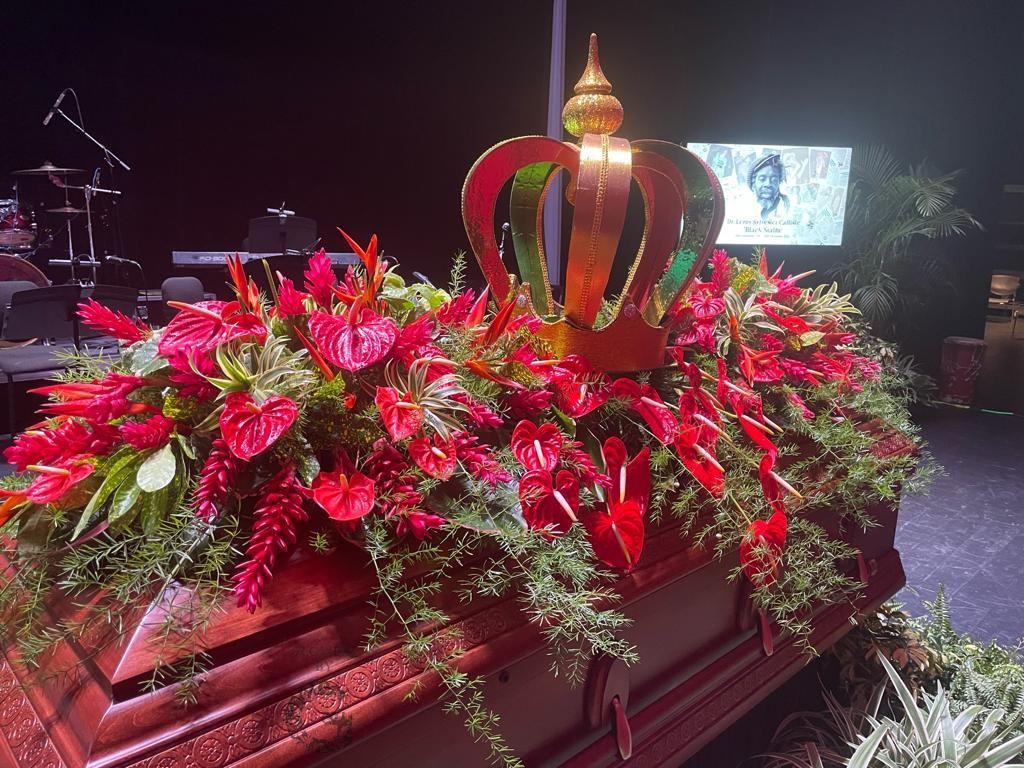
Like so much in society, funeral etiquette has evolved over time. Long-held traditions sit alongside newer, more flexible customs, and attendees are often left wondering what is expected of them. This guide answers the most common questions about attending a service — whether to go, where to sit, what to wear, and what to say — and points toward simple, respectful choices that keep the focus where it belongs: on honouring the deceased and supporting the bereaved.
Whether to Attend, and Where to Sit
Funeral services are generally open to everyone unless there is a dispute among the deceased's family or tension between an attendee and the bereaved. If your presence carries a real risk of disrupting the sanctity of the occasion, it is kinder to stay away; if you do attend, be discreet and non-intrusive to avoid confrontation. Family members are typically seated in the first three rows of the chapel, with immediate family upfront, next of kin just behind, and close friends, colleagues, dignitaries, and organisational representatives offered selected seating nearby. Some relatives prefer not to sit in the reserved section, and that is entirely acceptable — what matters is that immediate family has a clear seating area so mourners can offer condolences easily and so the family can comfort one another throughout the service.
What to Wear and When to Arrive
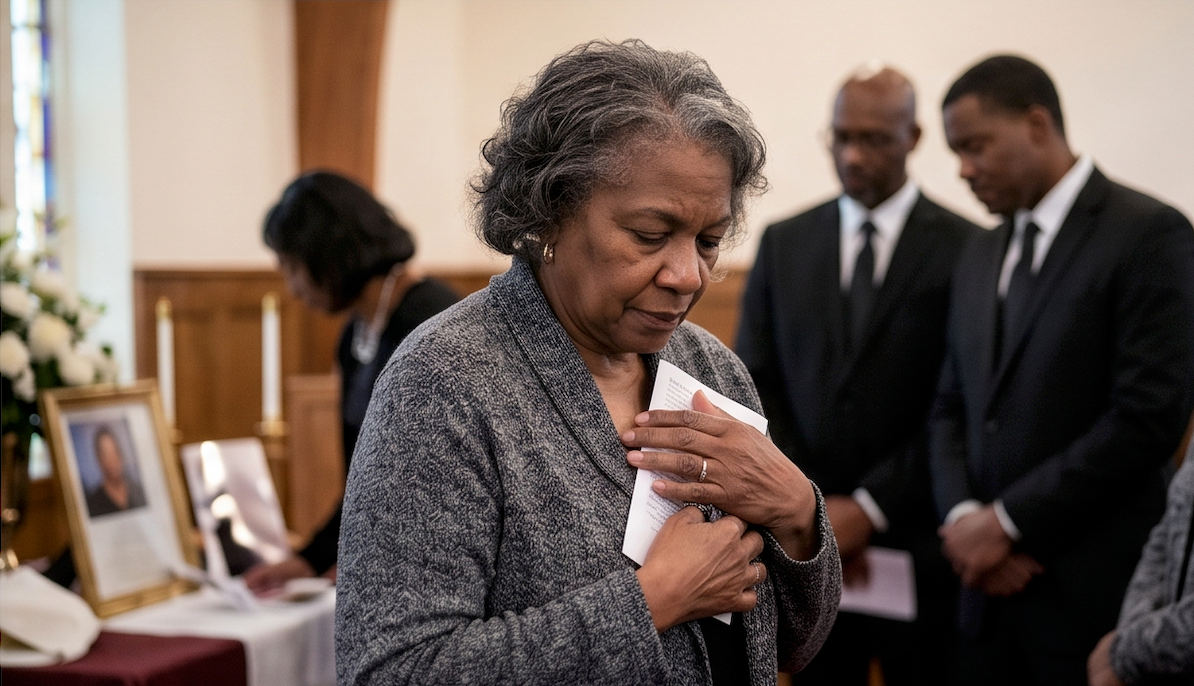
Traditionally, black is the colour of choice for funerals, along with other subtle tones such as dark or navy blue, greys, whites, creams, mauve, or any combination of these. Fashion trends have softened this convention in recent years, and some families now request a specific colour based on pre-planning, so it is always worth checking before you dress. Whatever the colour, choose clothing that respects the gravity of the occasion. Protocol suggests arriving at least thirty minutes before the service begins; arriving after the service has started can be disruptive and distracting. Early arrival also gives you a chance to greet family members personally and let them know you are there to support them.
Offering the Right Words
Speaking to a grieving family can feel impossible, and well-meaning phrases sometimes miss the mark. It is generally best to avoid lines like 'time is a good healer,' 'I understand what you are going through,' or 'she is in a better place,' as they can feel dismissive of the family's pain. Instead, keep your focus on paying respect and offering support. Simple, sincere words — 'he was a wonderful person,' 'I am so sorry for your loss,' 'I will miss her' — go a long way, even when they feel clichéd. What the bereaved remember most is that you came and that you spoke from the heart, not the precise phrasing you used.